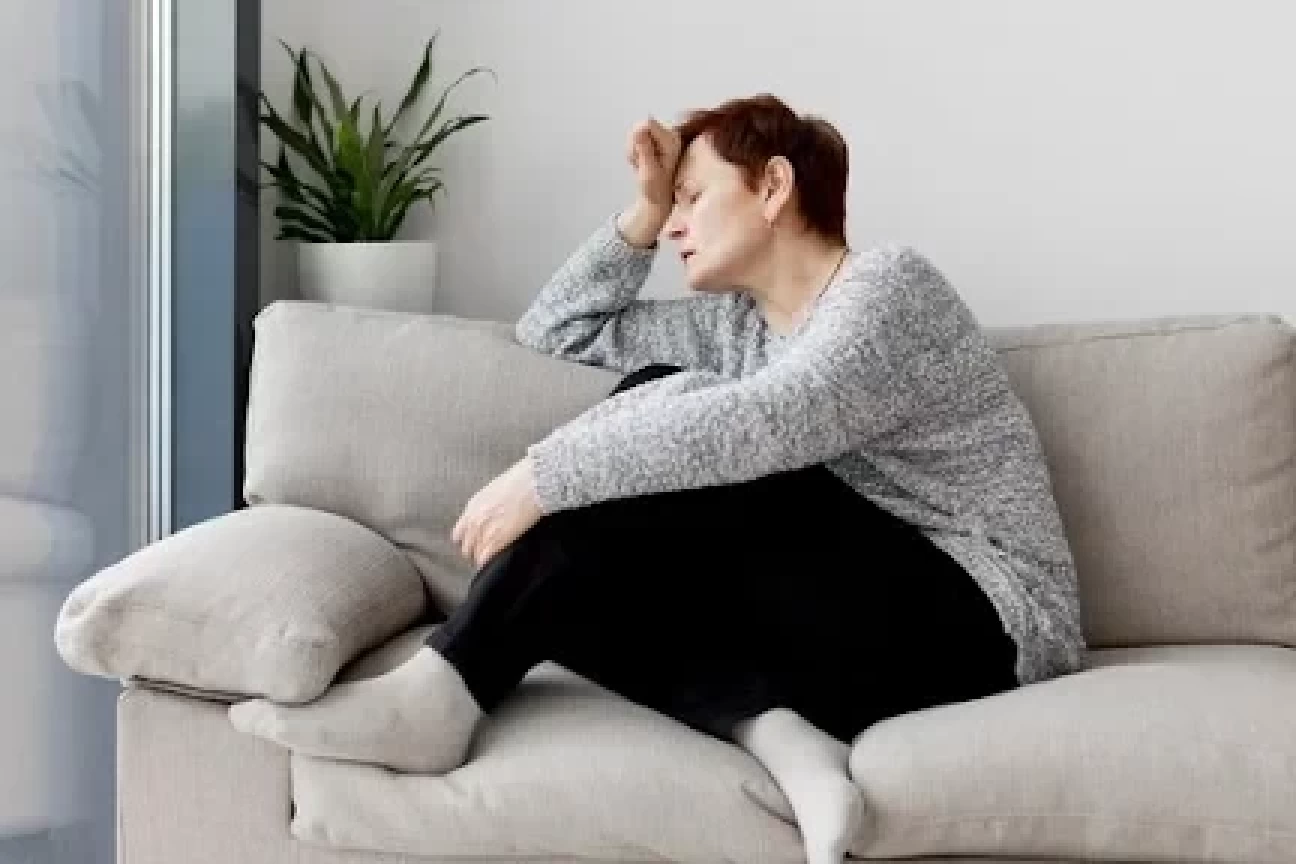
Post alcohol fatigue can last for several weeks or months, leaving individuals wondering if it’s normal or if something else is at play. In this guide, we’ll explore why quitting alcohol can make you tired and provide a comprehensive list of other common symptoms people experience in early recovery.
Key Takeaways
Fatigue is a common symptom after quitting alcohol, especially during the first few weeks of recovery.
Your body is going through a detoxification process and adjusting to life without alcohol.
In addition to tiredness, other withdrawal symptoms may occur in early recovery.
Recovery from alcohol use is a gradual process, and symptoms typically lessen over time.
Seeking professional support can help manage withdrawal symptoms and guide you through the recovery process.
Does Quitting Alcohol Make You Tired?
Yes, it is common to feel tired after quitting alcohol. Alcohol is a central nervous system depressant, which means it slows down brain function and affects how your body regulates energy. When you stop drinking, your body goes through a healing and adjustment process. This can lead to fatigue as your body works to restore balance and regulate itself without alcohol’s sedating effects.
A 2016 research study on the manifestation of withdrawal symptoms from alcohol use highlights tiredness, along with other symptoms, was observed from participants within the first few weeks after quitting drinking. Such symptoms are part of the detoxification process, and they gradually decrease as your body heals and adjusts.
Common Early Recovery Symptoms After Quitting Alcohol
In the first few weeks of recovery, you may experience a range of physical and emotional symptoms as your body adjusts to functioning without alcohol. These are part of the detoxification process and are temporary. Here’s a list of common symptoms that individuals experience in early recovery:
1. Fatigue and Tiredness
As mentioned, feeling tired after quitting alcohol is common. Alcohol has a sedating effect on the body, and when you stop drinking, your body has to adjust to functioning without this depressant. This process can leave you feeling unusually tired, especially in the early stages of recovery.
2. Sleep Disruptions
Alcohol can interfere with the quality of your sleep. When you stop drinking, your sleep patterns may be disrupted as your body adjusts. You may experience trouble falling asleep, staying asleep, or having vivid dreams. Over time, sleep should improve as your body restores its natural sleep cycle.
3. Anxiety and Irritability
Quitting alcohol can lead to heightened feelings of anxiety or irritability. Alcohol is often used to cope with stress, and without it, you may feel more emotional or uneasy. These feelings are temporary and can be managed with support, relaxation techniques, and healthy coping mechanisms.
4. Headaches
Headaches are a common symptom of alcohol withdrawal. These can range from mild to severe and may be accompanied by other symptoms like nausea or dizziness. Staying hydrated and taking over-the-counter pain relief (with your doctor’s approval) can help alleviate this symptom.
5. Sweating and Shaking
Physical symptoms such as sweating and shaking are common during the early stages of alcohol withdrawal. These symptoms are usually more intense in the first few days and should subside as your body adjusts. If shaking or sweating persists, it’s important to seek medical advice.
6. Nausea and Vomiting
Nausea and vomiting are often associated with alcohol withdrawal. The stomach lining may be irritated from alcohol use, and the detoxification process can cause discomfort. Eating light, healthy meals and staying hydrated can help alleviate nausea during recovery.
7. Mood Swings
During early recovery, your mood may fluctuate, with moments of irritability, frustration, or sadness. Alcohol can affect the brain's chemistry, and as you detoxify, your emotions may become heightened. Over time, your mood will stabilize as your body adjusts to life without alcohol.
8. Depression
Some individuals may experience feelings of depression in early recovery. Alcohol can mask underlying mental health conditions, and without it, feelings of sadness or hopelessness may surface. It is important to address these feelings with a mental health professional, who can guide you toward effective strategies for managing depression during recovery.
9. Cravings
Cravings for alcohol are a natural part of the recovery process. Your body may want to revert to old habits, but with time and support, cravings will decrease. Finding healthy alternatives and developing coping mechanisms will help manage these urges.
10. Increased Appetite
Alcohol use can suppress appetite, and once you stop drinking, your body may experience an increase in hunger. This is a normal symptom of early recovery as your body adjusts. Maintaining a balanced diet and staying active can help prevent overeating during this phase.
11. Cognitive Impairment
In the early stages of recovery, some people may experience cognitive issues such as difficulty concentrating, memory problems, or brain fog. This is because alcohol affects brain function, and it may take time for your cognitive abilities to fully recover. These symptoms should improve as your brain heals.
12. Muscle Aches and Pains
Alcohol withdrawal can sometimes cause muscle soreness, stiffness, or aches. These symptoms are part of the body’s detoxification process and should subside over time as your body heals. Regular gentle exercise and stretching can help alleviate muscle tension.
Coping with Withdrawal Symptoms
Quitting alcohol can lead to various physical and emotional symptoms as your body adjusts and heals. While fatigue, sleep disturbances, anxiety, and cravings are common, these symptoms are temporary and will diminish over time. It is important to remain patient with yourself during this process and reach out for professional support when needed.
If you’re experiencing these symptoms or struggling with alcohol use, Home Based Recovery offers virtual therapy and coaching to support your recovery journey. Contact us today at +1-778-700-2830 or via email at admin@homebasedrecovery.ca to begin your recovery journey from the comfort of your home.
Frequently Asked Questions
What causes tiredness after quitting alcohol?
Tiredness after quitting alcohol is a normal part of the detoxification process. Your body is adjusting to life without alcohol, and this can cause fatigue. It typically improves as your body heals and restores balance.
How long does the tiredness last after quitting alcohol?
Tiredness can last anywhere from a few days to a few weeks after quitting alcohol, depending on the individual. As your body restores balance, the fatigue will gradually subside.
Can quitting alcohol make you feel tired and emotionally drained?
Yes, quitting alcohol can cause physical and emotional fatigue as your body adjusts. You may experience mood swings, irritability, or anxiety. These emotional symptoms are temporary and will improve over time.
Why do I feel so tired after quitting alcohol?
You feel tired because your body is going through a healing process after removing alcohol from your system. Alcohol is a depressant, and without it, your body needs time to restore its natural balance, leading to fatigue in early recovery.
How can I manage fatigue after quitting alcohol?
To manage fatigue, prioritize rest, stay hydrated, eat a nutritious diet, and engage in light exercise. It’s important to be patient with your recovery and reach out for professional support if needed. At HBR, we offer a virtual alcohol addiction recovery program designed around your schedule.