Contact Us to Start
Reach out to discuss your cannabis use and recovery goals. Home Based Recovery provides fully online support with no travel or waitlists.
FLEXIBLE ONLINE CANNABIS RECOVERY SUPPORT
Receive personalized online therapy and recovery coaching to cut back or quit cannabis. Access private, flexible support that fits your life and helps you build lasting healthy habits.

Cannabis is part of everyday life for many. But sometimes what started as casual use can begin to affect your everyday life. People often smoke cannabis for relaxation, socializing, or managing stress. But what begins as casual or occasional use can sometimes lead to unexpected, harmful effects, interfering with your motivation, memory, relationships, or overall well-being.
If you find yourself using more often than planned, struggling to cut back, or feeling like cannabis is taking over your day-to-day life, you’re not alone. Help is available to help you manage your habits, regain balance, and feel more in control again.

At Home Based Recovery, we offer a 100% online weed addiction recovery program designed to fit your lifestyle. Our flexible and confidential support connects you with a Certified Recovery Coach or a Licensed Therapist who understands the challenges of overcoming cannabis dependency in today’s world. Whether you want to reduce your use, take breaks, or stop completely, we tailor our approach to your goals and needs.
Take back control with compassionate guidance and practical tools for withdrawal management, helping you manage cravings, improve motivation, and rebuild balance. Starting your journey toward healthier cannabis use has never been easier or more accessible.

Introducing Home Based Recovery
I participated in the HBR online addition program at the end of 2023. I am grateful to say I have been sober for 14 months. This is the longest period of sobriety I have experienced in over a decade of trying many programs, pills and plans!
The support, encouragement, cheerleading and wisdom from Michael and the HBR program has been instrumental in my success to date. This was the first time I did a one on one program which really fit my needs at the time. The other programs I tried in the past were group focused with a small portion one on one. I had success for short periods of time but the intensive one on one was my game changer.
I found the encouraging non judgmental support from Michael allowed me to dig deep and express my feelings. I am 60 so that is a lot of digging!! I am grateful that I allowed myself to seek help and bravely work hard.I am grateful HBR was there to stand by me and guide my journey!
Thank you so so much.
I have used HBR's aftercare program every Sunday for about 15 months and can say for certain that it is my favorite meeting i attend ... I've been sober for over a year now and will continue to use them as part of my ongoing recovery program... Anybody looking for sobriety needs to start somewhere and HBR is definitely a great place to start your journey to a better life.
Need Cannabis Addiction Support?

What to Expect

Yes, virtual programs break down barriers by offering privacy and flexibility. Canadian research shows that online support helps people who use cannabis reduce their consumption, manage cravings and withdrawal symptoms, and improve motivation and mood, even when in-person options feel intimidating or out of reach.
Access to online counselling and support groups helps individuals understand the effects of cannabis and cope with daily life in a culture where it is common. Whether the goal is cutting back or stopping entirely, continuous support provides guidance and encouragement to make lasting changes.
Learn More
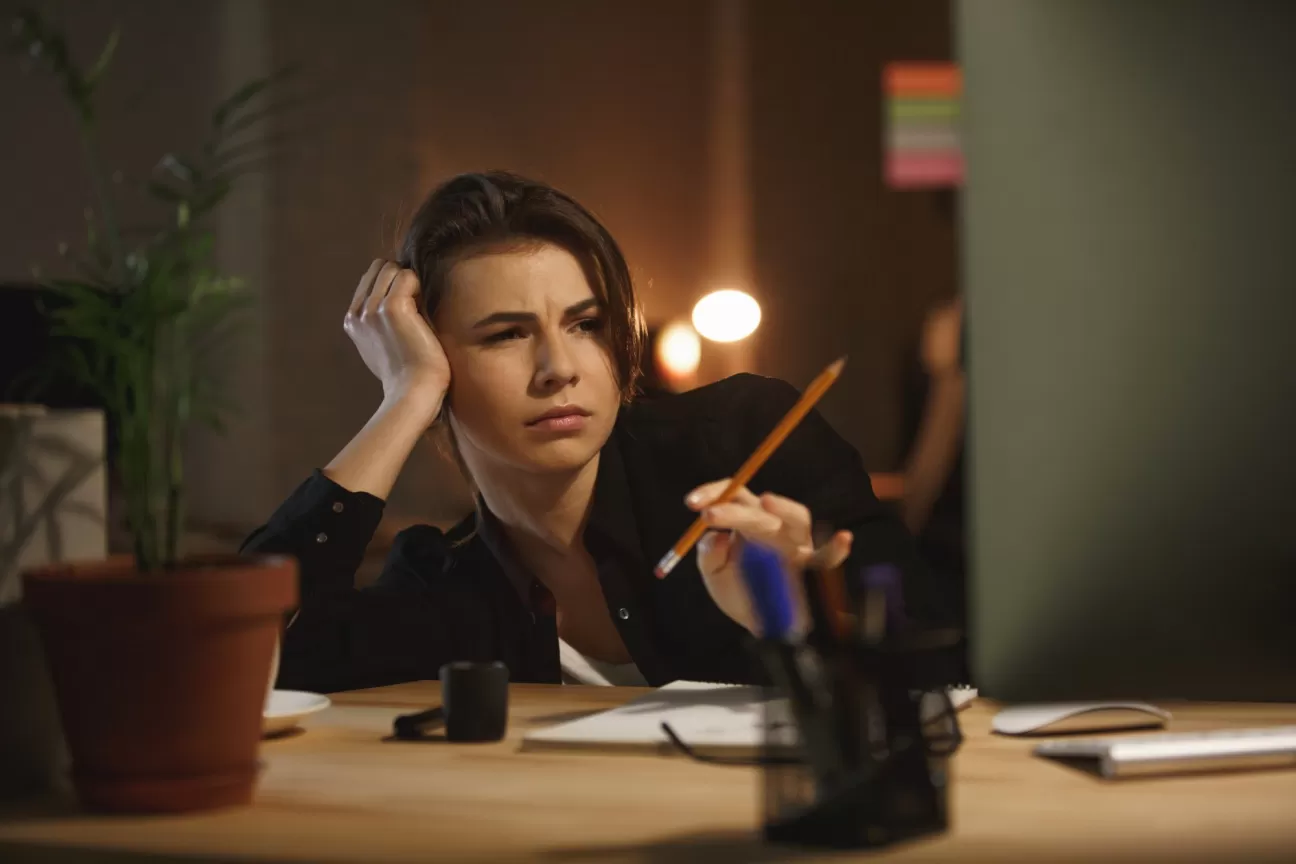
Cannabis addiction, also called cannabis use disorder, happens when smoking weed, using edibles, vaping THC, or other forms of cannabis becomes hard to control. You might notice yourself:
What starts as a way to relax or have fun can slowly take over daily life, affecting your body and mind. If you notice these patterns, it might be time to quit smoking and regain control over your health and routine.

While cannabis is often seen as “just a plant,” regular heavy use can have real effects. Smoking pot frequently is linked to:
Recent Canadian studies show that daily cannabis users are more likely to report problems with school or work performance and mental health challenges. For teens and young adults, regular use can affect brain development, impacting learning and emotional well-being. Adults can also find themselves stuck in a rut, spending more time and money on weed than intended, feeling mentally foggy, or losing interest in activities they once enjoyed.
The goal is not to demonize cannabis, but to recognize when it may be doing more harm than good.
You do not have to fit the “pothead” stereotype for weed to be an issue. If you have tried to cut back but keep slipping up, if getting high is interfering with your goals or relationships, or if you just feel uneasy about how much you are using – that is enough reason to reach out.
Some signs it might be time for support:
Whether you want to quit altogether or just regain control, there is cannabis addiction support available. Reach out today.
Home Based Recovery supports harm reduction as well as abstinence. Maybe you are not ready or do not want to stop completely. You may simply want to cut back, take breaks, or become more mindful about when and why you use. Our program helps you set realistic goals that fit your life.
Some people have a prescription for medical cannabis for pain, sleep, anxiety, or other reasons, and may feel their use is no longer helping. If you are concerned about relying too much on medical cannabis or if it is affecting other parts of your life, cannabis addiction support is available.
Cannabis can be habit-forming for some people, especially with regular, heavy use of high-THC products. Not everyone gets addicted, but many find it hard to cut back once it becomes a daily routine.
Struggling to control your intake, feeling anxious without it, neglecting work/school/relationships, or just feeling foggy and stuck are all signs it might be time to make a change.
Not at all. Home Based Recovery supports harm reduction by helping you create a plan that fits your life, like cutting back, taking breaks, or changing your method of use.
Yes. Teens and young adults are especially vulnerable to memory problems and mental health effects because their brains are still developing. Adults can also experience negative effects from long-term use.
Medical cannabis use can sometimes lead to marijuana addiction. Support is available to help you use it safely and maintain a healthy balance.
Completely private. All sessions take place online and remain confidential between you and your coach.
Yes. Safe Ground provides tools and resources to help family members understand their loved one’s experience while also supporting their own well-being and coping skills.
Relapses are a normal part of the process. Your coach will help you understand triggers, adjust your strategies, and get back on track without judgment. Recovery is about progress, not perfection.
Clear Your Mind