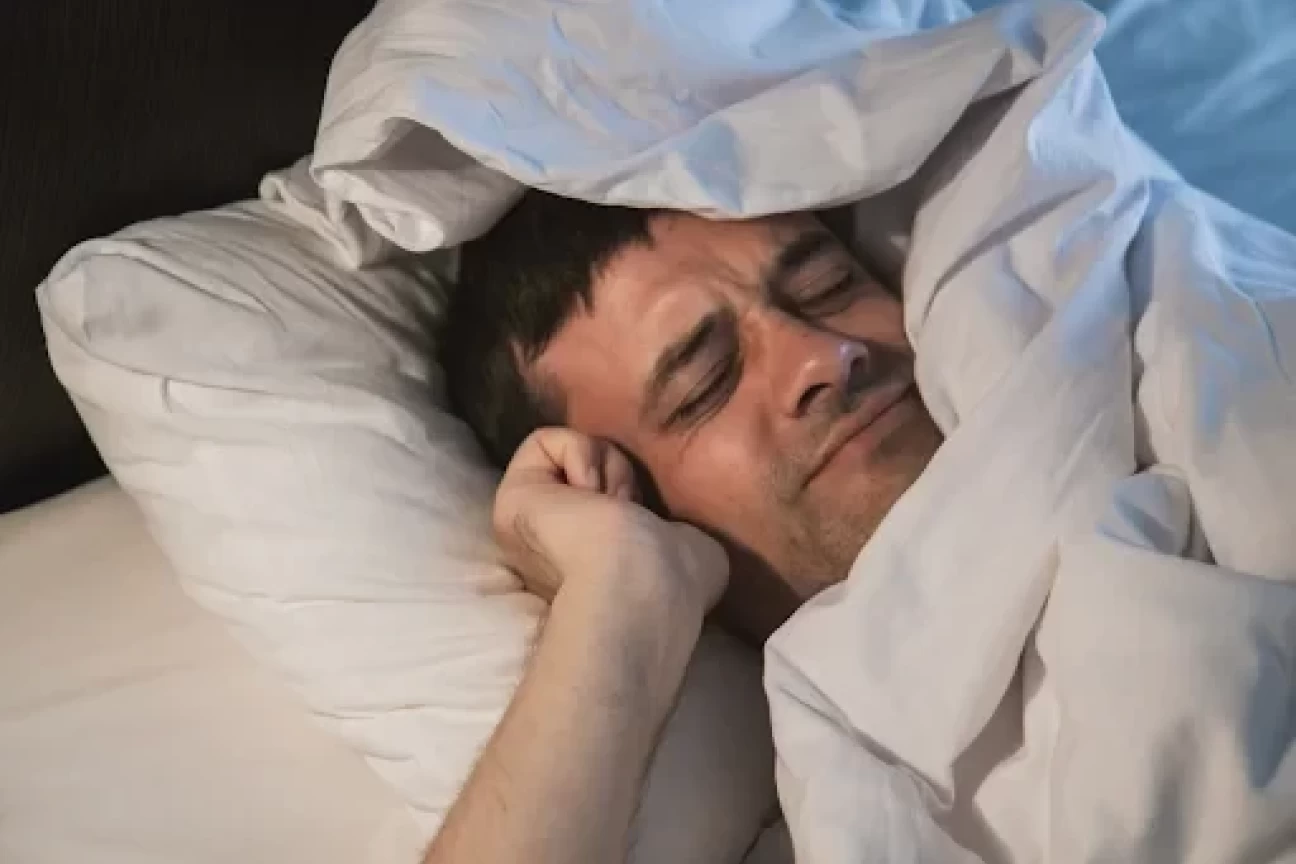
How bad is alcohol for you?
Drinking is a common part of social life. However, while it may seem harmless, alcohol can affect your health in ways that are easy to overlook.
Even moderate drinking can have hidden effects on your health. Why alcohol is bad is not always obvious, but being aware of the risks can help you make choices that support your well-being. With the right information and support, you can enjoy social moments while protecting your health.
What You Need to Know About Alcohol
How alcohol is bad for you may not always be obvious. Even small amounts of alcohol can affect your body and mind in ways you may not notice. Drinking can influence your mood, decision-making, and coordination, and over time, it can have lasting effects on your health.
Regular drinking, even within socially accepted limits (one drink per day for women and two drinks per day for men) carries health risks. Heavier or more frequent drinking increases these risks further.
Being aware of how bad alcohol is for you helps you make choices that protect your well-being without feeling like you have to give up social moments entirely. With knowledge and support, you can enjoy life while keeping your health a priority.
Short-Term Effects
A single drinking session can affect the body in noticeable ways. Common short-term effects include:
- Impaired Judgment and Coordination: Alcohol can slow reaction times and cloud decision-making, increasing the risk of accidents and risky behaviors.
- Dehydration and Hangovers: As a diuretic, alcohol causes the body to lose fluids, which can lead to headaches, fatigue, and nausea.
- Sleep Disruption: While alcohol may help you fall asleep at first, it later interferes with deep sleep, often leaving you tired and less focused the next day.
Although these effects are temporary, repeated exposure can accumulate, potentially leading to lasting health issues. Learning how bad is alcohol for your health helps you recognize that even occasional drinking can have significant impacts on both body and mind.
Long-Term Health Risks
When asking how bad alcohol is for you, long-term effects should be considered. Prolonged alcohol use can contribute to several chronic health conditions, including:
- Liver Disease: Chronic drinking can lead to fatty liver, hepatitis, and cirrhosis, which can be life-threatening.
- Heart Problems: Excessive alcohol increases the risk of high blood pressure, irregular heartbeat, and cardiomyopathy.
- Cancer: Studies link alcohol consumption to several types of cancer, including liver, breast, mouth, throat, and esophagus.
- Cognitive Issues: Heavy drinking is associated with a higher risk of cognitive decline and dementia.
Even moderate drinking can slightly increase your risk for some cancers and heart problems, so it’s important to weigh the benefits and risks carefully.
How Alcohol Affects Your Brain
Alcohol affects brain function by changing how neurotransmitters send signals between nerve cells. Drinking can cause both immediate and long-term effects:
- Short-Term Euphoria or Relaxation: Many people experience a temporary lift in mood or reduced social anxiety.
- Memory Lapses and Blackouts: Even moderate consumption can lead to gaps in memory or brief blackouts.
Early alcohol use increases vulnerability because developing brains are more sensitive to its effects. Knowing how bad is alcohol for you highlights the importance of protecting cognitive health and making informed drinking choices.
Social and Emotional Implications
Alcohol is often seen as a social lubricant, but it can negatively affect relationships in several ways:
- Dependency and Addiction: Regular drinking increases the risk of developing alcohol use disorder (AUD).
- Relationship Strain: Alcohol can contribute to conflicts, domestic violence, and challenges in parenting.
- Work and Productivity: Reduced focus, absenteeism, and accidents related to alcohol can impact career performance.
Recognizing how bad is alcohol for you goes beyond physical health. Emotional and social well-being can also suffer, making it important to understand the broader consequences of alcohol consumption.
Strategies to Cut Back on Alcohol Effectively
Considering how bad is alcohol for you, reducing intake can significantly lower health risks. Practical strategies can make cutting back easier and more sustainable:
- Set Clear Goals: Decide on the amount you want to reduce and write it down to create accountability.
- Track Your Drinks: Keeping a log increases awareness and helps maintain progress.
- Find Support: Friends, family, or support groups can provide encouragement and guidance.
- Identify Triggers: Notice situations that prompt drinking and develop strategies to manage them.
- Replace Habits: Exercise, meditation, or hobbies can serve as healthy alternatives to drinking.
Even small adjustments, like having one fewer drink per day, can make a meaningful difference in overall health and well-being.
Enhancing Life with Positive Changes
Alcohol is a part of many people’s daily lives, but it is important to understand how it can affect your health. Even small amounts carry some risk, and making thoughtful choices like drinking less, pacing yourself, or trying non-alcoholic options can help you feel better and stay healthier.
It is never too late to make a positive change. If you need support in reducing or quitting alcohol, you can call or text 1-778-700-2830 or email admin@homebasedrecovery.ca. Taking steps today can help you feel healthier, more energetic, and improve your quality of life.
Frequently Asked Questions
Does the type of alcohol matter?
Yes, all alcoholic beverages contain ethanol, which affects the body similarly regardless of type. Differences in drinks mainly affect calories, sugar content, and additives, but health risks remain.
What are the main signs of alcohol dependence?
Signs include cravings, inability to control drinking, and continuing to drink despite negative consequences. Physical symptoms like withdrawal, shakes or nausea may also occur.
Why alcohol is bad even in small amounts?
Even moderate drinking can slightly raise the risk of cancers, liver issues, and heart problems. Understanding why alcohol is bad helps you make informed choices before it affects your long-term health.
Can alcohol affect my brain permanently?
Yes, prolonged heavy drinking can shrink brain tissue and impair memory. Knowing how bad is alcohol for you highlights the need to protect cognitive health.
Is it ever too late to reduce alcohol intake?
No, cutting back at any age can improve health and energy levels. Recognizing how bad alcohol is for your health encourages positive change immediately.