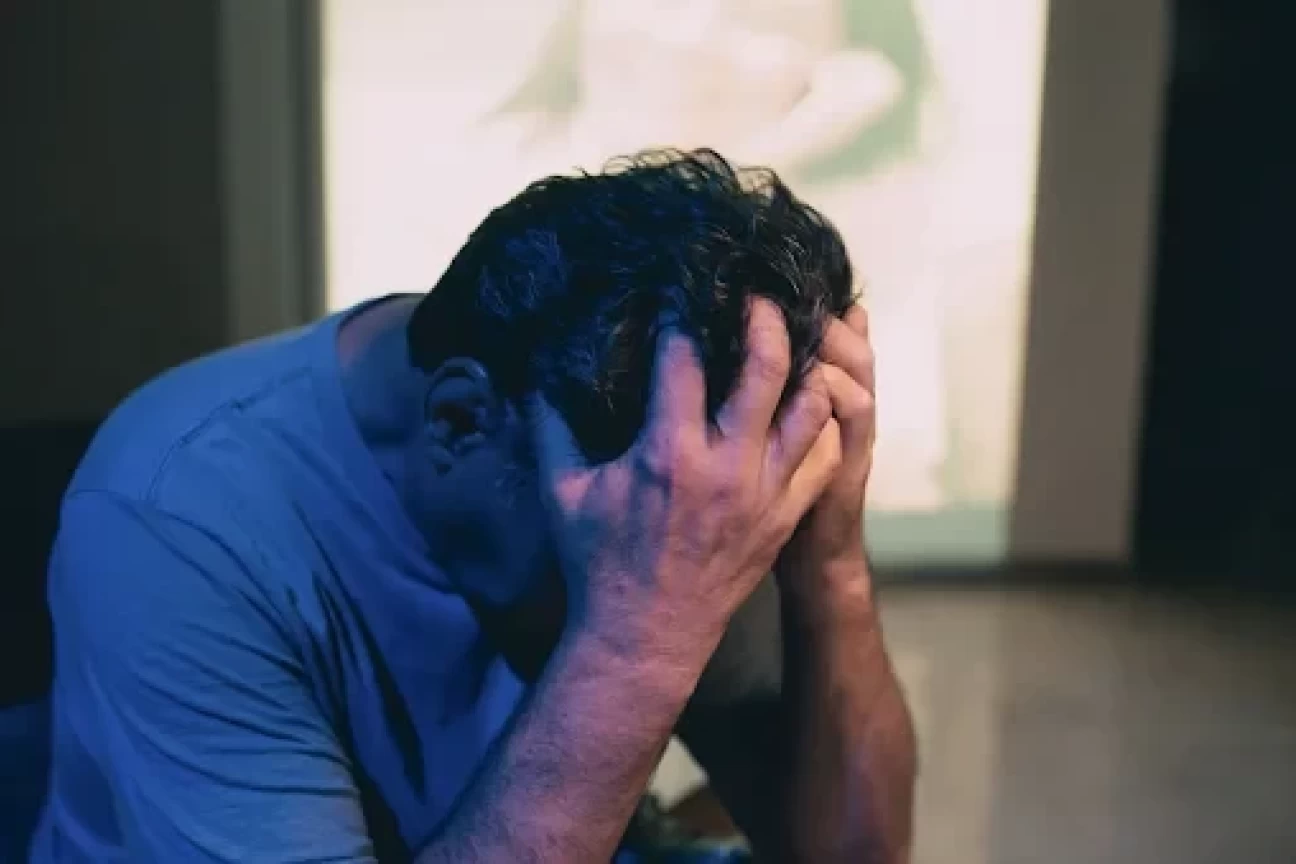
Understanding the Alcohol Withdrawal Timeline and What Happens Each Day
The alcohol withdrawal timeline often begins within 6 to 12 hours after the last drink, peaks during days 2 and 3, and improves within about seven days. Severe symptoms can develop quickly, so people who drink heavily or have experienced withdrawal before should seek medical advice before stopping.
Medical detox manages immediate risks, while confidential alcohol addiction treatment can address cravings, triggers, and relapse prevention after stabilization. Understanding each stage supports safer planning.
Key Takeaways
Symptoms may begin within 6 to 12 hours.
Withdrawal often peaks during days 2 and 3.
Seizures or severe confusion require emergency care.
Previous complications increase future risk.
Detox does not replace ongoing treatment.
What Is Alcohol Withdrawal?
Alcohol withdrawal happens when someone who has been drinking heavily or regularly suddenly stops or significantly reduces alcohol use. Symptoms can range from shakiness, anxiety, and nausea to more serious complications, which is why medical guidance may be important before stopping alcohol. Here is an excellent video on Post Acute Withdrawal Symptoms from our online treatment program.
What Do People Often Get Wrong About Early Alcohol Withdrawal Symptoms?
People often assume that mild early symptoms mean alcohol withdrawal will remain mild, but that is not always the case. The alcohol withdrawal symptoms timeline can vary from person to person, and symptoms may become more serious over the following hours or days, which is why early signs should not be ignored.
Common misconception include:
- Assuming a mild first day means withdrawal will stay mild. Symptoms can change as withdrawal progresses, which is why people with a history of severe withdrawal should speak with a healthcare professional before stopping alcohol.
- Expecting the timeline to be the same for everyone. The alcohol withdrawal symptoms timeline is a general guide rather than a prediction of individual risk. Drinking patterns, overall health, medications, and previous withdrawal experiences can all affect what someone experiences.
- Overlooking a history of withdrawal seizures. Previous severe withdrawal is important information for healthcare providers. A 2024 study of 199 patients with alcohol withdrawal seizures found that 11% experienced a later withdrawal-seizure recurrence, with a history of previous alcohol withdrawal seizures identified as a significant risk factor. These findings reinforce the importance of considering past withdrawal experiences when assessing future risk.
- Believing detox is the same as complete treatment. Detox addresses the immediate physical effects of stopping alcohol, but ongoing recovery may also involve managing cravings, stress, triggers, routines, and the circumstances connected with drinking.
- Thinking recovery support is no longer needed once physical symptoms improve. Some concerns, including cravings, mood changes, and sleep difficulties, may continue beyond the acute withdrawal period and may require continued support.
Understanding the Alcohol Withdrawal Timeline and How Symptoms Can Change
The alcohol withdrawal symptoms timeline typically begins with shakiness, anxiety, sweating, nausea, and sleep problems, which may become more intense during the first two to three days. While many symptoms gradually improve after this peak period, cravings, irritability, fatigue, and disrupted sleep can continue as the body adjusts.
First 6 to 12 Hours
Early symptoms may include tremors, sweating, nausea, headache, anxiety, disturbed sleep, and a faster heartbeat. HealthLink BC notes that symptoms can begin within 4 to 12 hours.
12 to 24 Hours
Tremors, sweating, restlessness, nausea, poor sleep, and anxiety may become more noticeable. Some people see or hear things that are not present. Hallucinations, increasing confusion, or rapidly worsening agitation require urgent assessment because mild early symptoms do not guarantee a mild following day.
24 to 48 Hours
The second day can bring stronger tremors, sweating, irritability, and changes in heart rate or blood pressure. Seizures may occur without a long warning. Previous seizures, delirium tremens, pregnancy, head injury, serious illness, or sedative use can change the timeline of alcohol withdrawal symptoms.
48 to 72 Hours
Days 2 and 3 are often the peak period. Severe cases may involve seizures, extreme agitation, fever, hallucinations, severe confusion, or delirium tremens. CAMH states that withdrawal generally peaks within two to three days. Call 911 for severe or rapidly worsening symptoms.
Days 4 to 7
Tremors, sweating, nausea, and agitation often begin to settle after the peak. Fatigue, anxiety, interrupted sleep, and cravings can remain. For withdrawal from alcohol, timeline estimates do not guarantee safety after day three, so severe or returning symptoms need medical review.
After Day 7
Most acute symptoms improve within a week, but insomnia, irritability, low mood, poor concentration, or cravings may continue. Persistent symptoms deserve assessment because mental health concerns, medication effects, poor sleep, and medical conditions can feel similar to withdrawal.
When Is Alcohol Withdrawal an Emergency?
Alcohol withdrawal is an emergency when symptoms become severe or begin to affect a person’s consciousness, breathing, heart function, or ability to stay safe. Call 911 immediately if someone has a seizure, severe confusion, loses consciousness, has difficulty breathing, or shows signs of rapid deterioration.
Emergency warning signs can include:
Seizures
Severe confusion or disorientation
Hallucinations accompanied by worsening symptoms
Chest pain, breathing difficulty, or an unusually rapid heartbeat
Fainting, loss of consciousness, or difficulty waking
Extreme agitation or behaviour that puts the person or others at risk
Repeated vomiting with severe weakness or signs of dehydration
Do not try to manage severe withdrawal by giving the person alcohol, allowing them to simply sleep, or using medication that was not prescribed for them. Severe alcohol withdrawal can become life-threatening and requires prompt medical care.
Who Is at Higher Risk of Severe Alcohol Withdrawal?
People with a history of severe withdrawal, long-term heavy drinking, certain health conditions, or limited support may be more likely to experience serious alcohol withdrawal symptoms. Risk can also increase when alcohol use is combined with other substances or when a person has previously had seizures or delirium tremens.
People who may be at higher risk include those who:
Have experienced withdrawal seizures or delirium tremens in the past
Have gone through multiple previous withdrawal episodes
Drink large amounts of alcohol every day
Drink in the morning to relieve shakiness, anxiety, or other withdrawal symptoms
Are older, frail, or pregnant
Have serious heart, liver, neurological, or other medical conditions
Use alcohol together with sedatives or other substances
Have limited access to reliable support or monitoring at home
Because severe withdrawal can develop unpredictably, people with these risk factors should speak with a healthcare professional before reducing or stopping alcohol.
How Can You Prepare for Alcohol Withdrawal Safely?
Preparing for alcohol withdrawal should ideally begin before you stop drinking, especially if you drink heavily or have experienced withdrawal symptoms in the past. A healthcare professional can assess your risk, recommend the safest care setting, explain what symptoms to watch for, and help plan ongoing support after detox.
Before withdrawal begins, it can help to:
- Record your usual drinking pattern, including how much and how often you drink.
- Tell your healthcare provider about previous withdrawal symptoms, especially seizures, hallucinations, or severe confusion.
- List all medications and other substances you use so possible risks or interactions can be considered.
- Ask how your symptoms will be monitored and who to contact if they become more severe.
- Arrange transportation and emergency support in case urgent medical care is needed.
- Plan continuing treatment before detox ends so recovery support can continue after the physical withdrawal period.
People who drink large amounts should not attempt home detox without medical guidance. Learning about managing withdrawal symptoms can help with preparation, but it cannot determine whether detoxing at home is safe for a particular person.
The timeline of seeing alcohol withdrawal symptoms can also be affected by medications, sedatives, and other substances. Avoid using someone else’s medication, changing prescribed medication without medical advice, or following another person’s detox plan, as withdrawal needs can vary significantly from one person to another.
Alcohol Detox and Alcohol Withdrawal
Alcohol withdrawal is the physical and emotional response that can occur when someone who has been drinking heavily or regularly suddenly stops or significantly reduces alcohol use. Symptoms may include shakiness, anxiety, sweating, nausea, sleep problems, and, in more severe cases, seizures or delirium.
Alcohol detox is the process of managing this withdrawal period as safely as possible. Depending on a person’s risk level, detox may involve medical assessment, symptom monitoring, supportive care, and medication prescribed by a healthcare professional.
Simply put, withdrawal is what the body experiences when alcohol is reduced or stopped, while detox is the care used to manage those symptoms safely. Detox can help stabilize the body, but ongoing treatment may still be needed to address cravings, triggers, mental health, and relapse prevention.
What Happens After Alcohol Detox?
After alcohol detox, the focus shifts from managing immediate withdrawal symptoms to building the skills and support needed for ongoing recovery. Detox helps the body stabilize, but continued care can address cravings, mental health concerns, relationships, daily routines, and the situations that may increase the risk of returning to alcohol use.
Continuing care may include:
- Medical follow-up to monitor physical health and recovery needs
- Therapy or recovery coaching to build coping skills and strengthen motivation
- Craving management strategies for triggers and high-risk situations
- Daily routine support to create more structure and stability
- Family or peer support to improve communication and reduce isolation
- Reviewing relapse warning stages and creating a practical prevention plan
Once a person is medically stable and cleared for ongoing care, online treatment for individuals can provide structured, one-to-one recovery support from home. Virtual counselling may also help address anxiety, depression, trauma, relationship stress, or other concerns that can affect recovery.
People who are unsure whether their alcohol use has become a concern can also review the common signs of an alcohol problem. Virtual support does not replace medical detox or emergency care, but it can help provide continuity, accountability, and practical support after the withdrawal period has ended.
From Alcohol Withdrawal Management to Long-Term Recovery
The alcohol withdrawal timeline explains when symptoms may begin, peak, and improve, but time alone cannot determine safety. Medical assessment is especially important when drinking has been heavy, previous withdrawal occurred, or other health and substance use concerns are present.
Home Based Recovery offers confidential, individualized support after detox or alongside a clinician-approved outpatient plan. Call 1-778-700-2830 or email admin@homebasedrecovery.ca to discuss the next step.
Frequently Asked Questions
Is Alcohol Withdrawal Dangerous?
Yes. Severe withdrawal can cause seizures, delirium, breathing problems, chest pain, or loss of consciousness. Call 911 for: 1. a seizure, 2. severe confusion, 3. chest pain or trouble breathing, or 4. fainting, extreme agitation, or difficulty waking. Do not wait for every warning sign to appear.
Does Alcohol Withdrawal Always Peak on Day Three?
No. Symptoms often peak during days 2 and 3, but the pattern depends on drinking history, previous withdrawal, age, health, medications, and other substance use. The timeline for alcohol withdrawal should support monitoring rather than replace clinical assessment. Monitoring should continue throughout the highest risk window.
Can Alcohol Withdrawal Begin Several Days After the Last Drink?
Yes. Many symptoms begin within 4 to 12 hours, but HealthLink BC notes that onset may sometimes be delayed for several days. New confusion, hallucinations, fever, or worsening weakness still need assessment because withdrawal is not the only possible cause. Another illness may require separate treatment.
Is It Safe to Manage Alcohol Withdrawal at Home?
It may be safe only after a clinician confirms low risk and a plan is ready: 1. follow prescribed treatment, 2. arrange reliable monitoring, 3. attend clinical check-ins, and 4. keep emergency transport available. High-risk withdrawal is usually safer in a supervised setting with prompt medical access.
Can Virtual Treatment Help After Alcohol Detox?
Yes. Virtual treatment can help build routines, manage cravings, understand triggers, and develop relapse prevention skills after medical stabilization. For confidential support, call 1-778-700-2830 or email admin@homebasedrecovery.ca. The right program depends on safety, recovery goals, and available support.
Can Virtual Treatment Help After Alcohol Detox?