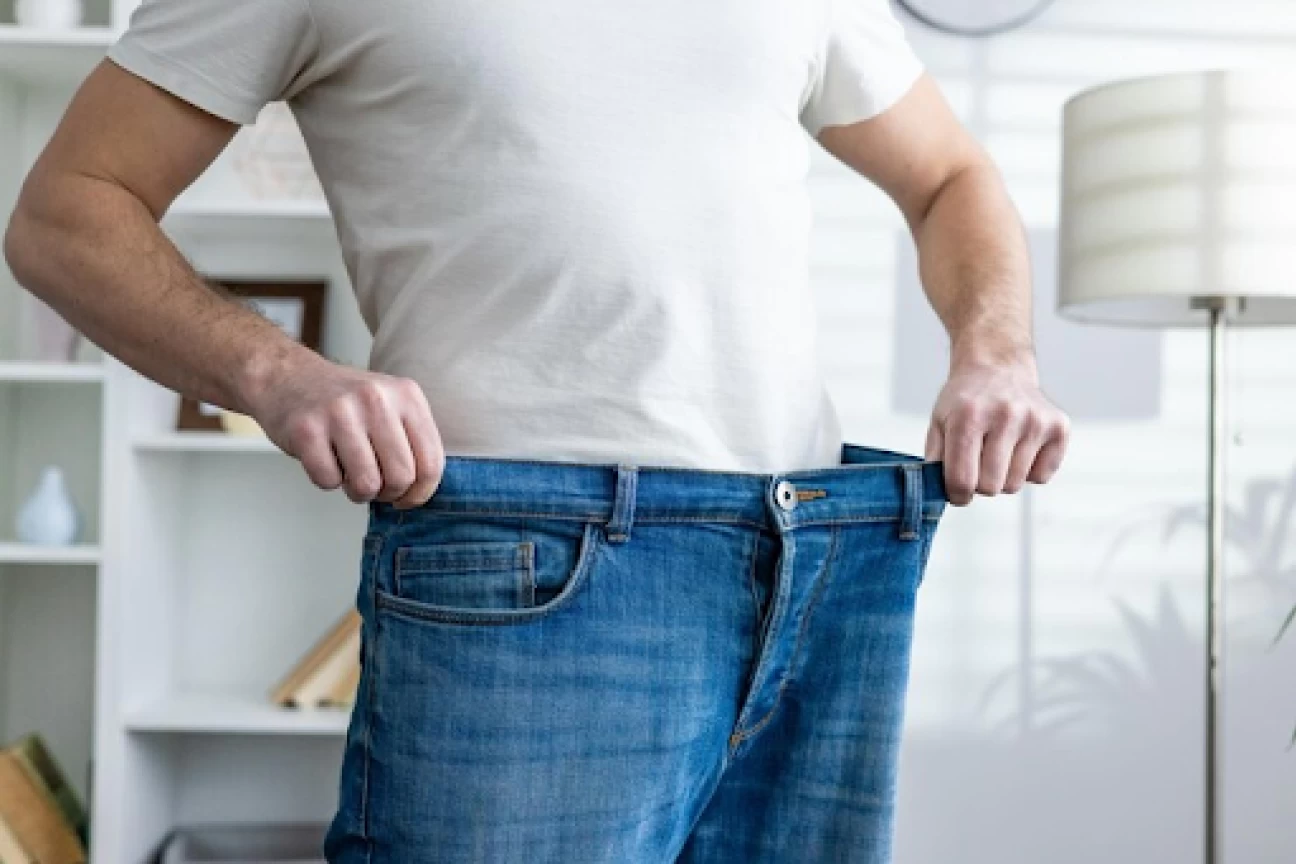
If you are making this change and want structured support, online alcohol addiction treatment programs can help you stay consistent and build habits that fit your routine.
Key Takeaways
Alcohol contains a high number of calories with little nutritional value
Weight loss after quitting alcohol can begin within a few weeks
Early changes often include reduced bloating and better sleep
Long-term results depend on daily habits and consistency
Structured support improves long-term success
Why Weight Loss After Quitting Alcohol Happens
Alcohol adds excess calories and influences eating habits. This contributes to weight gain over time. However, when you quit drinking, it no longer prioritizes breaking down alcohol but rather focuses on burning fat.
Key reasons include:
Alcohol is calorie-dense and easy to overconsume
It slows fat metabolism and increases fat storage
It lowers inhibition, which can lead to overeating
It disrupts sleep, affecting hunger and energy balance
According to the Canadian Centre on Substance Use and Addiction, alcohol contributes significantly to excess calorie intake in regular drinkers.
Rapid Weight Loss After Quitting Alcohol
Rapid weight loss can happen in the early stages after quitting alcohol. This often happens within the first few weeks. These early changes are often linked to reduced calorie intake and decreased water retention rather than fat loss.
What happens early on:
Reduced bloating
Decreased water retention
Improved digestion
What happens over time:
Gradual fat loss
Increased energy levels
More stable eating patterns
Early progress can feel encouraging, but lasting results often come from steady, manageable habits that fit into your daily life.
How Many Calories Do You Cut When You Quit Alcohol?
Quitting alcohol can remove hundreds or even thousands of calories each week, depending on your drinking habits. This reduction alone can support weight loss without major dietary changes.
Example calorie breakdown:
One glass of wine: about 120 to 150 calories
One beer: about 150 to 200 calories
Cocktails: 200 to 400 calories
For someone who drinks regularly, eliminating alcohol can create a meaningful calorie deficit that supports gradual progress.
Quitting Alcohol and Weight Loss: What to Expect
Quitting alcohol and weight loss are closely connected, despite varying results due to lifestyle. Understanding the timeline can help set realistic expectations.
Timeline:
Week 1 to 2
Reduced bloating
Improved sleep quality
Slight weight changes
Week 3 to 4
More stable appetite
Better digestion
Increased energy
Month 2 and beyond
Noticeable fat loss
Improved activity levels
More consistent routines
While calorie reduction is a noticeable change, many have also immediately noticed emotional and behavioural shifts during this time. If you are navigating these changes, learning more about alcohol withdrawal symptoms and support can help you stay steady.
Does Quitting Alcohol Help Lose Weight?
Does quitting alcohol help lose weight? For many people, it does, but that doesn’t mean right away. Weight loss depends on your overall habits and lifestyle changes after you stop drinking.
Factors that affect results:
Food choices and portion sizes
Physical activity levels
Sleep quality
Stress and emotional patterns
What most people get wrong
Many people expect weight loss to happen automatically after quitting alcohol. In reality, stopping alcohol creates the opportunity for change, but daily habits determine the outcome.
Can You Gain Weight After Quitting Alcohol?
Some people may gain weight after quitting alcohol, especially in the early stages. This often happens when alcohol is replaced with sugary foods or snacks as the body adjusts.
Common reasons include:
Increased sugar cravings
Emotional or stress-related eating
Lack of structured routines
Understanding both weight gain and weight loss patterns can help you make more intentional choices moving forward. With balanced habits, weight tends to stabilize over time.
Losing Weight After Quitting Alcohol: Practical Steps
Losing weight after quitting alcohol becomes more manageable when you support your body with simple, consistent habits. Without structure, it is easy to replace alcohol calories with food.
Step-by-step approach:
Focus on balanced meals
Include protein, fibre, and whole foods to stay full and energizedStay hydrated
Drinking enough water helps reduce cravings and supports metabolismImprove sleep
Quality sleep helps regulate hunger hormonesMove your body regularly
Walking or light exercise supports overall healthBuild a simple routine
Consistency makes progress easier to maintain
If you are building new habits, exploring home-based alcohol recovery options can provide a flexible and practical path forward.
How Alcohol Affects Your Metabolism
Alcohol affects your metabolism by slowing fat burning. Your body treats alcohol as a priority to process, which means fat and sugar are more likely to be stored.
Effects on metabolism include:
Reduced fat oxidation
Increased fat storage
Slower calorie use
Hormonal imbalance
Once alcohol is removed, your body can gradually return to a more balanced state, supporting healthier weight regulation.
The Link Between Alcohol, Cravings, and Weight Gain
Alcohol increases cravings for high-calorie foods, especially sugar and processed snacks. This often leads to consuming more calories than intended.
Why this happens:
Alcohol lowers self-control
Blood sugar levels fluctuate
Reward pathways in the brain are affected
Over time, quitting alcohol can help stabilize appetite and improve food choices.
Psychological Changes That Affect Weight After Quitting Alcohol
Weight changes are not only physical. Emotional and psychological shifts also influence how your body responds after quitting alcohol.
Common changes include:
Increased awareness of habits
Shifts in coping strategies
Emotional adjustment during early recovery
For many people, this stage can feel uncertain. Support and guidance can make it easier to build patterns that support long-term well-being.
Comparison: Drinking vs Quitting Alcohol for Weight
- Calories
- Drinking Regularly: Higher intake
- After Quitting Alcohol: Reduced intake
- Fat Burning
- Drinking Regularly: Slower
- After Quitting Alcohol: More efficient
- Sleep
- Drinking Regularly: Disrupted
- After Quitting Alcohol: More restful
- Cravings
- Drinking Regularly: Increased
- After Quitting Alcohol: Gradually reduced
- Energy
- Drinking Regularly: Lower
- After Quitting Alcohol: Improved
Expert Insight: Why Consistency Matters More Than Speed
Short-term changes can happen quickly, but lasting results are built through consistency. Many people see better outcomes when they focus on small, manageable steps rather than rapid changes.
This approach aligns with recovery models that prioritize sustainable habits and long-term support.
When Weight Loss Does Not Happen Right Away
Not everyone sees immediate weight change after quitting alcohol, and that is normal. Your body may need time to adjust, especially if other habits are still changing.
Possible reasons include:
Increased food intake
Hormonal adjustments
Stress or emotional eating
Limited physical activity
Focusing on steady progress rather than quick results can help you stay motivated.
Building Long-Term Success After Quitting Alcohol
Sustainable weight loss comes from combining alcohol reduction with consistent habits and support. Many people find it helpful to have guidance while making these changes.
What supports long-term success:
A consistent daily routine
Regular accountability or check-ins
Clear and realistic goals
Ongoing support and education
Programs like virtual addiction recovery support can provide structure while allowing you to stay in your own environment.
Final Thoughts: A Healthier Path Forward
If you are noticing changes after quitting alcohol, it can be a meaningful sign that your body is beginning to reset and recover. This is one part of a larger shift that often includes better sleep, improved energy, and more balanced daily habits.
You do not have to go through this alone. Support is available when you are ready. You can contact us at 1-778-700-2830 or email us at admin@homebasedrecovery.ca to learn how recovery can fit into your life in a way that feels manageable and sustainable.
Frequently Asked Questions
Does quitting alcohol help lose weight quickly?
Yes, it can reduce calorie intake and improve metabolism, which may lead to early changes within a few weeks. These early changes are often related to water loss before fat loss begins. Over time, steady habits support more sustainable results. You can call us at 1-778-700-2830 or email us at admin@homebasedrecovery.ca to learn more.
How much weight can you lose after quitting alcohol?
Weight loss varies depending on your previous drinking habits and lifestyle changes. Some people lose a few pounds in the first month, while others see gradual progress. Results depend on diet, activity, and consistency. Guidance can help you set realistic expectations.
Can quitting alcohol reduce belly fat?
Yes, quitting alcohol can help reduce belly fat over time by lowering calorie intake and improving fat metabolism. However, results depend on overall habits. Combining this change with balanced nutrition improves outcomes. A structured approach can support consistency.
What are the best steps to lose weight after quitting alcohol?
Start with these steps:
Eat balanced meals with protein and fibre
Stay hydrated throughout the day
Move regularly with simple activities
Maintain a consistent sleep routine
These habits support steady progress and long-term results.
Is weight loss from quitting alcohol permanent?
Weight loss can be maintained if healthy habits continue over time. Returning to previous patterns may reverse progress. Long-term success comes from building routines that support overall well-being. Ongoing support can help reinforce these changes.