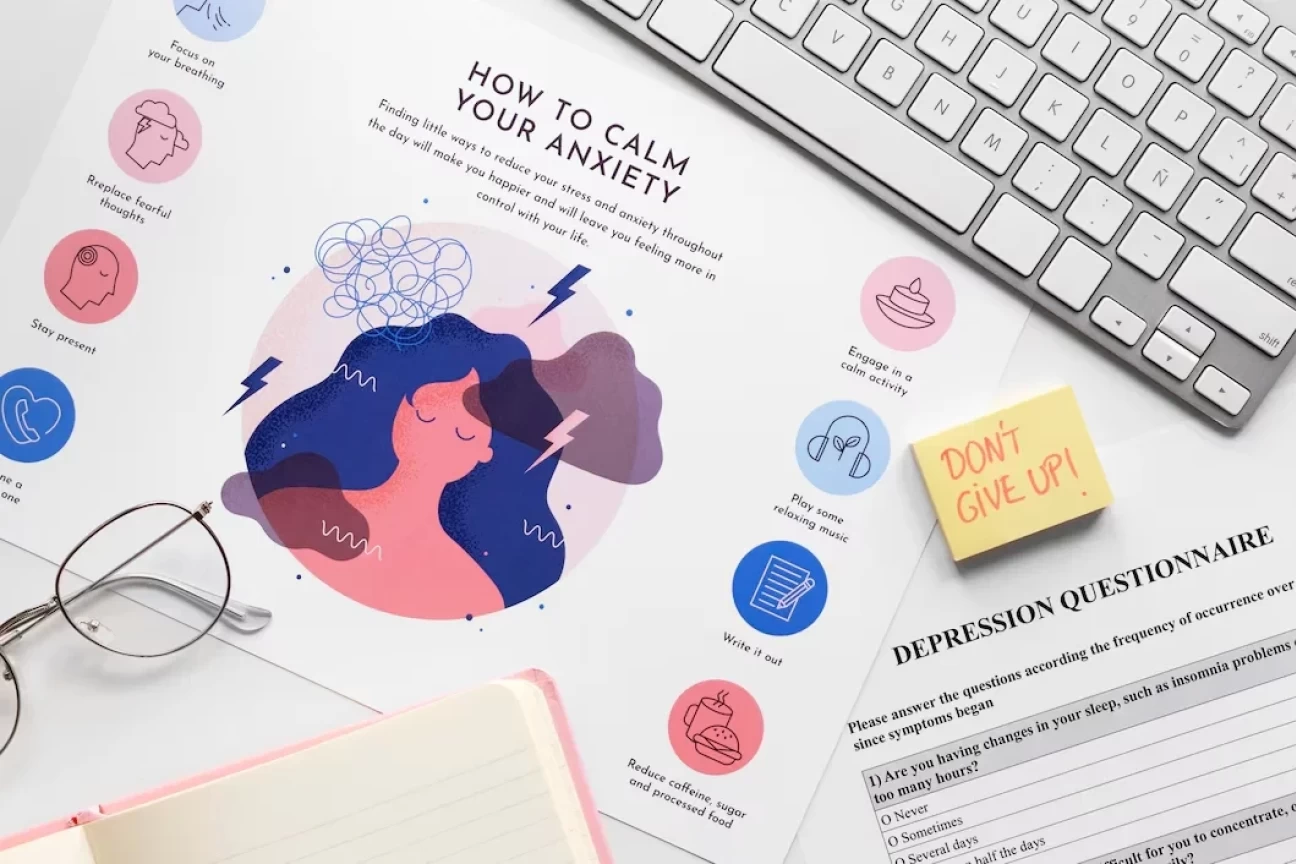
Using CBT Tools at Home to Manage Cravings and Emotional Triggers
Cravings and emotional triggers can feel overwhelming, especially when you are working hard to maintain change in your life. These moments can happen unexpectedly and may leave you unsure of how to respond. When you understand how to use CBT tools at home, you can interrupt automatic reactions and replace them with healthier choices.
Cognitive Behavioural Therapy, known as CBT, offers practical strategies that help you understand your thoughts, manage emotions, and build supportive habits. These tools are effective for cravings, substance use concerns, and emotional experiences such as anxiety or stress. Whether you are using CBT tools for anxiety, cravings or daily coping, the goal is to help you regain control during moments that feel difficult.
This guide explains how CBT works, why it is useful, and which strategies you can use from home to support your recovery.
Key Takeaways
- You can use CBT tools at home to understand cravings more clearly.
- You can interrupt automatic reactions by learning simple cognitive and emotional skills.
- You can use CBT to manage anxiety, stress, and triggering situations.
- You can improve long-term stability by practising these tools regularly.
- You can combine CBT with support from licensed therapists or certified recovery coaches.
What You Need to Know About CBT Tools
CBT is a psychological approach that helps you identify patterns in your thoughts, emotions, and behaviours. When cravings or triggers appear, your mind often reacts with automatic thoughts that push you toward familiar coping behaviours. CBT helps you slow down, observe what is happening, and choose a healthier response.
People often explore questions like what CBT psychology tools are or how CBT monitoring tools function in real-life situations. CBT aims to help you understand your internal experiences rather than judge them. Once you recognize what is happening, you can use practical techniques to reduce emotional intensity and regain control.
A brief from the Centre for Addiction and Mental Health highlights how Cognitive Behavioural Therapy can help people manage both mental health concerns and substance use issues.
Why CBT Helps With Cravings and Triggers
Cravings often involve strong emotions such as anxiety, frustration, or fear. These feelings can lead to quick reactions that do not support your long-term goals. CBT tools give you a way to pause, understand the emotion, and choose a healthier action. This helps you break familiar habits and build stronger coping skills.
When you use CBT tools for anxiety or cravings, you strengthen your ability to respond thoughtfully rather than react impulsively. Over time, your mind forms new pathways that support long-term recovery. These skills complement learning to recognize early warning signs that may appear during challenging periods.
CBT Tools You Can Use at Home
Below are CBT strategies you can practise at home during cravings or emotional discomfort.
Thought Labeling
You can pause and identify the thought you are having to create distance from the craving.
Urge Surfing
You can observe the urge as a wave that rises and falls rather than reacting to it.
Cognitive Reframing
You can replace unhelpful thoughts with more grounded alternatives.
Grounding Using the Five Senses
You can redirect attention by noticing what you can see, hear, touch, taste or smell.
Behavioural Activation
You can choose a small, healthy action that shifts your physical or emotional state.
These techniques become even more helpful when combined with support from licensed therapists or certified recovery coaches.
How Online CBT Tools Can Help
Many people use online CBT tools and anxiety resources to stay consistent with their practice. These tools often include worksheets, emotion logs, coping prompts and guided reflections. Tools such as CBT monitoring tools can help you track cravings and notice patterns over time.
Some people use CBT assessment tools to explore how their thoughts and emotions shift throughout the week. This level of awareness supports more intentional decision-making. Online resources work well alongside virtual counselling with licensed therapists who help you build personalized CBT strategies.
People who want more structure often build daily routines that strengthen emotional stability and self-care during recovery.
How CBT Fits Into Long-Term Recovery
CBT supports cravings, emotional triggers, and long-term recovery by helping you understand emotional patterns and adjust them with practice. Over time, you learn to see cravings as signals rather than emergencies and respond with more confidence.
CBT tools help strengthen stability, reduce anxiety, and build resilience. You can integrate them into daily life with support from online treatment for individuals or scheduled virtual counselling with licensed therapists.
As you continue practising CBT strategies, you increase your ability to respond with greater clarity when stressful moments arise.
Closing Thoughts
Cravings and triggers do not need to take control of your recovery. With the right CBT tools, you can slow down, explore your thoughts and choose responses that support your wellbeing. You deserve strategies that help you feel grounded and capable even during difficult moments.
You can strengthen these skills with practice and support from licensed therapists or certified recovery coaches. You can also explore virtual programs that integrate CBT tools into your daily life.
If you want guidance applying CBT skills at home, Home-Based Recovery can help you explore strategies that support long-term stability. Contact us today at 1-778-700-2830
What are CBT psychology tools?
What are CBT psychology tools?
CBT psychology tools are practical strategies that help you understand the connection between your thoughts, emotions, and behaviours. These tools teach you how to notice patterns and choose healthier responses during stressful or triggering moments. A licensed therapist or a certified recovery coach can guide you in learning the tools that best support your recovery.
Are CBT tools helpful for cravings?
Yes, CBT tools help you pause, understand your thoughts, and reduce the emotional intensity behind cravings. They support healthier responses in daily life. Guidance from licensed therapists or certified recovery coaches can strengthen these tools.
Can I use CBT tools for anxiety and stress?
Yes, CBT tools help you pause, understand your thoughts, and reduce the emotional intensity behind cravings. They support healthier responses in daily life. Guidance from licensed therapists or certified recovery coaches can strengthen these tools.
How do I know which CBT tools are right for me?
The best CBT tools depend on your emotional patterns, triggers, and goals. You can explore several approaches to see which ones help you feel more grounded. Licensed therapists or certified recovery coaches can help you select tools that match your needs.
Can CBT tools help me prevent relapse?
CBT tools help you identify early signs of emotional strain so you can respond before cravings intensify. They support long-term stability by strengthening insight and coping capacity. Many people use CBT skills alongside ongoing support to maintain progress.