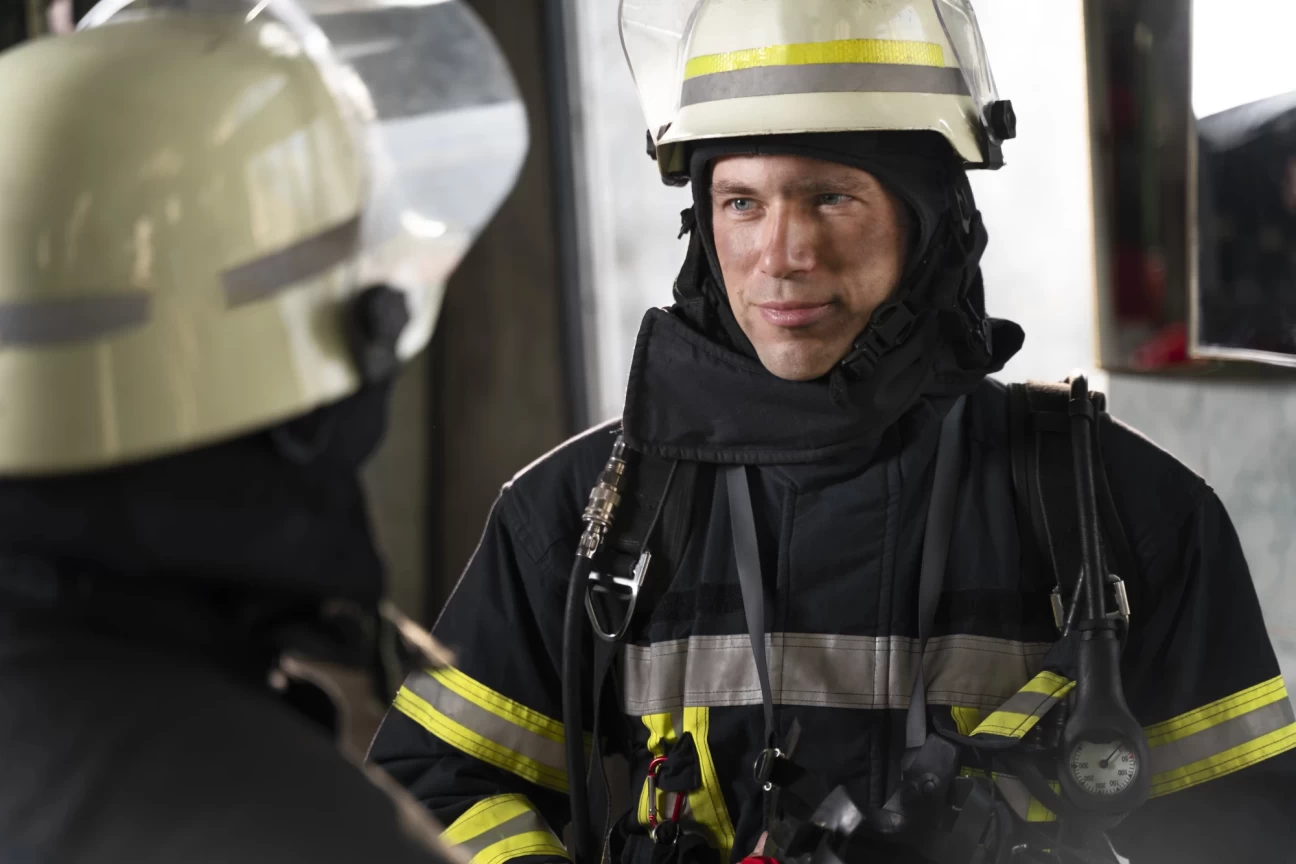
First responders regularly work in demanding environments where they may encounter emergencies, traumatic events, loss, uncertainty, long shifts, and significant responsibility for the wellbeing of others. Counselling for first responders provides a private space to process these experiences, understand emotional responses, and develop practical strategies for managing stress both on and off duty.

Seeking support does not mean someone is unable to handle the demands of their profession. Our team’s first responder counselling can provide proactive support for emotional wellbeing, relationships, sleep, coping skills, and resilience before challenges begin affecting multiple areas of everyday life.

Why First Responders in Victoria May Benefit From Counselling

Professional support can help first responders manage the cumulative demands of their work while protecting their wellbeing and ability to function in everyday life.
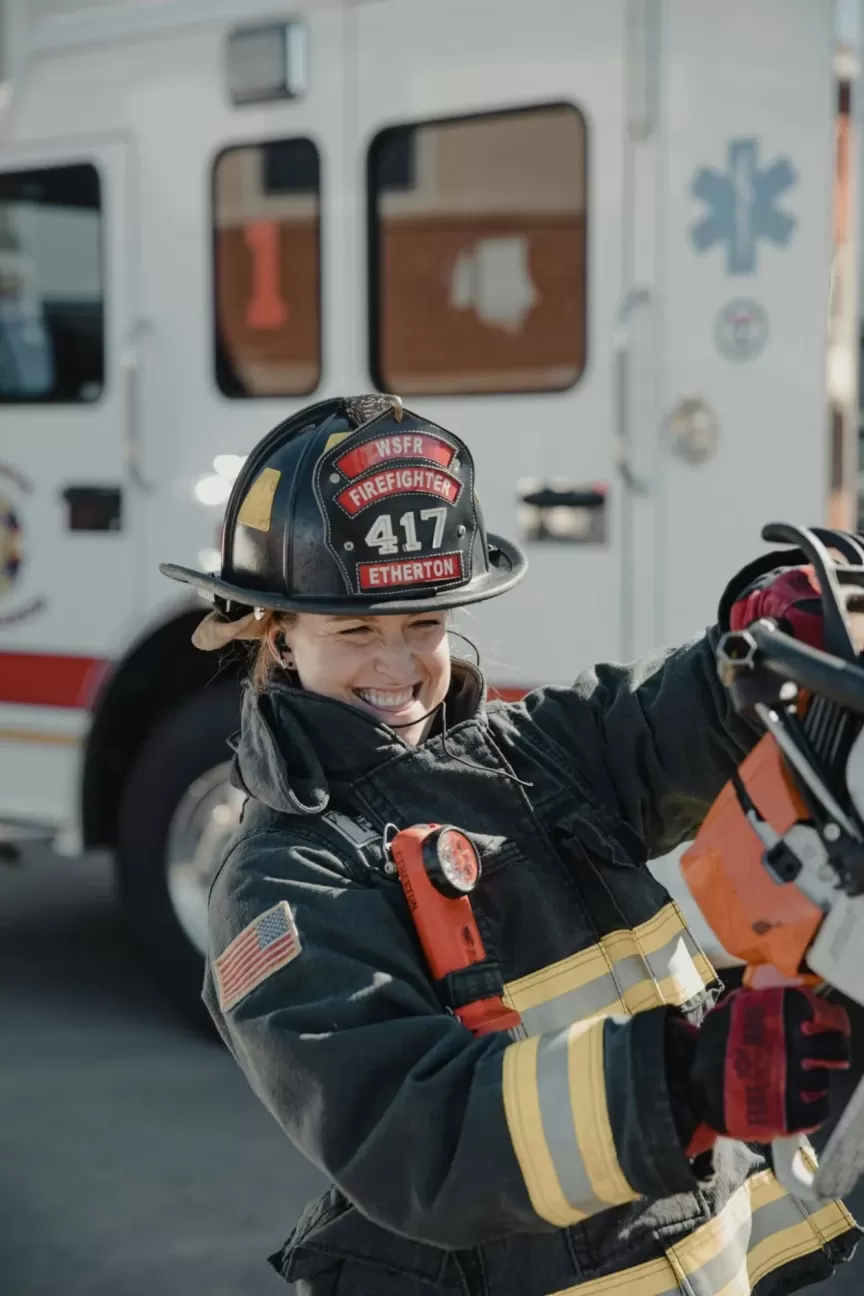

  • Process difficult experiences: Counselling provides a confidential environment for working through distressing calls, critical incidents, loss, and repeated exposure to challenging situations.
  • Strengthen emotional resilience: Practical coping strategies can help individuals respond more effectively to occupational stress without ignoring or suppressing difficult emotions.
  • Improve sleep and recovery: Support can address routines and stress responses that make it difficult to unwind, rest, or mentally disconnect after demanding shifts.
  • Protect personal relationships: Counselling can help first responders communicate more openly and reduce the impact that workplace stress may have on partners, families, and friendships.
  • Recognize concerns earlier: Professional guidance can help individuals identify changes in mood, behaviour, coping, or functioning before they become increasingly disruptive.
Empowering Life Transition Counselling for Positive Change
Black and White Portrait of a Person Coping with Depression

Signs You May Benefit From A First Responder Support

Changes in thoughts, emotions, behaviour, or everyday functioning can be signs that additional mental health support may be helpful.

  • You find it difficult to mentally switch off after work or repeatedly think about distressing calls and incidents.
  • You experience persistent irritability, anxiety, sadness, emotional numbness, or changes in how you respond to people around you.
  • Your sleep has become disrupted by racing thoughts, nightmares, shift-related stress, or difficulty relaxing.
  • You have begun withdrawing from family, friends, hobbies, exercise, or activities that were previously important to you.
  • You increasingly rely on avoidance or unhealthy coping behaviours to manage stress or difficult emotions.

Experiencing any one of these signs does not automatically indicate a mental health condition, but speaking with a qualified professional can help clarify what this is and what support may be appropriate.

Introducing Home Based Recovery

Services Home Based Recovery Offers

Home Based Recovery provides individualized virtual mental health support that can be adapted around demanding schedules, personal concerns, and individual goals. Services may include first responder mental health counselling, one-on-one therapy, recovery coaching, stress-management strategies, support for difficult workplace experiences, emotional regulation, relationship concerns, sleep routines, and practical resilience-building approaches that can be integrated into everyday life.
• • •
  • HBR for Individuals

    Home Based Recovery connects you with real specialists for individual counselling online, tailored for addiction and mental health, no waitlists, no travel. Start making change at your own pace, wherever you are.
  • HBR for Family Members

    Support navigating the challenges of a loved one’s substance use or mental health concerns while learning to look after your own wellbeing.
  • Virtual Counselling

    Confidential counselling for a wide range of mental health and substance use concerns. Explore relationship patterns for couples and individuals, all from the comfort and privacy of your own home.
  • Alcohol & Drug Intervention

    A compassionate addiction intervention gives families a calmer way to help a loved one talk about substance use and the need for support and treatment without feeling betrayed or shamed.

Reviews from HBR Alumni

The team and the program are everything I could have hoped for. I highly recommend the program for anyone who is ready to make a change in their lives. Very grateful for Michael Walsh and Dr. Berry. The program keeps you accountable, helps change your mindset and you are fully supported throughout by the team of specialists.

AB

Excellent program would definitely recommend. You get support during the program as well as after the program.

S

What Makes Our First Responder Counselling Approach Different

Home Based Recovery offers personalized virtual support designed to respect the privacy, responsibilities, and unique experiences of people working in demanding professions.

Individualized Support

Sessions focus on your experiences, concerns, strengths, goals, and circumstances rather than following a one-size-fits-all approach.

Confidential Virtual Care

Appointments can be attended privately from home or another appropriate location without travelling to a treatment facility.

Consistent Professional Relationship

Working with a consistent therapist or recovery professional can help establish trust and continuity throughout care.

Whole-Person Approach

Support can consider occupational stress alongside sleep, relationships, physical wellbeing, coping strategies, substance use concerns, and everyday responsibilities.

Flexible Access

Online appointments can make professional care easier to integrate around rotating shifts, family commitments, and demanding work schedules.

Practical Resilience Building

Sessions focus on strategies that can be used in real situations rather than only discussing stress in theory.

How Online Telehealth Therapy Works

The process is structured but flexible, allowing you to move forward at a pace that feels manageable.

  • Initial Consultation

    Meet with your therapist virtually to discuss your concerns, goals, and mental health history.

  • Comprehensive Assessment

    Your therapist develops a personalized treatment plan based on your unique needs.

  • Goal Setting

    Together, you'll establish practical goals that support meaningful progress.

  • Secure Therapy Sessions

    Participate in confidential appointments using our encrypted virtual platform for

  • Practical Skill Development

    Learn coping strategies and practical techniques that support emotional wellness between sessions.

  • Ongoing Progress Reviews

    Your therapist regularly evaluates your progress and adjusts your care plan as needed.

First Responders This Service Was Designed For

Paramedics and Emergency Medical Professionals

Support for paramedics and emergency medical personnel managing occupational stress, difficult calls, repeated exposure to trauma, emotional fatigue, and challenges separating work from home life.

Firefighters

Confidential support for firefighters processing critical incidents, cumulative stress, demanding schedules, loss, and the emotional impact of emergency response work.

Police and Public Safety Professionals

Individualized support for police officers and other public safety personnel experiencing occupational pressure, stressful incidents, emotional challenges, relationship difficulties, or sleep concerns.

Emergency Dispatcher

Support for emergency dispatchers managing the psychological demands of coordinating emergencies, hearing distressing situations, making high-pressure decisions, and maintaining resilience over time.

Search and Rescue Professionals

Support for search and rescue personnel coping with high-risk situations, exposure to distressing events, unpredictable working conditions, and the emotional demands of helping others during emergencies.

Other Emergency and Crisis Response Professionals

Resilience counselling for professionals who regularly respond to emergencies or critical situations and want to strengthen coping skills, manage stress, and protect their overall wellbeing.

Police and Public Safety Professionals

Health Risks That Make First Responder Support Important

Repeated exposure to potentially traumatic events and intense occupational demands can place first responders at increased risk of psychological distress, including symptoms associated with post-traumatic stress, depression, anxiety, burnout, sleep disruption, and unhealthy coping behaviours. These concerns can affect more than work performance and may gradually influence relationships, physical wellbeing, emotional regulation, and quality of life when they remain unaddressed.

A 2025 systematic review and meta-analysis examining PTSD among active first responders found an estimated 14.3% prevalence of probable PTSD associated with routine-duty exposure, highlighting the mental health burden that can accompany repeated emergency work. A separate 2022 systematic review and meta-analysis found that psychological interventions were associated with reductions in PTSD, depression, and anxiety symptoms among first responders, supporting the value of appropriate professional care

Man Feeling Overwhelmed by Stress and Depression at Home

How the Counselling for First Responders in Victoria Works

Our counselling for first responders follows a personalized process that helps identify concerns, establish meaningful goals, and develop strategies that can be applied to everyday life.

Initial Conversation

Your first conversation provides an opportunity to discuss what has been happening, what concerns you most, and what you would like to gain from professional support.

Individual Assessment

Your provider explores areas such as occupational stress, mood, sleep, relationships, coping strategies, routines, difficult experiences, and overall functioning.

Personalized Support Goals

Together, you establish realistic goals based on your priorities, such as improving sleep, managing stress responses, strengthening relationships, or developing healthier coping strategies.

Individual Online Sessions

Regular virtual sessions create a private space to explore experiences, identify patterns, learn practical skills, and work through challenges at an appropriate pace.

Applying Strategies Between Sessions

You can practise new approaches in everyday situations, including grounding techniques, stress-management skills, healthier routines, communication strategies, and ways to transition between work and home.

Ongoing Progress and Resilience Planning

Your progress can be reviewed over time so that strategies remain relevant as your circumstances, responsibilities, and goals change.
 First Responders From Seeking Counselling

What Hinders First Responders From Seeking Counselling?

People working in emergency services may recognize that they are struggling while still facing personal or professional barriers to asking for help.

  • Concern about stigma: Some first responders may worry that seeking mental health support could change how colleagues or others perceive their ability to perform their role.
  • Culture of self-reliance: Years of training to remain composed under pressure can make it difficult to acknowledge when personal support would be helpful.
  • Fear about confidentiality: Privacy concerns may prevent some people from discussing experiences or emotions openly with a professional.
  • Demanding schedules: Long shifts, overnight work, overtime, and unpredictable responsibilities can make traditional appointment times difficult to maintain.
  • Normalizing ongoing stress: Frequent exposure to demanding situations can make persistent emotional strain feel like something that simply comes with the job.

What to Expect in Your First Online Session

Your first session provides confidentiality to discuss your work experiences, current concerns, stress levels, sleep, relationships, coping strategies, and what you hope to change. Your provider will listen without judgment, help identify priorities, and begin shaping first responder counselling around your individual circumstances and goals.

Is Home-Based Treatment For First Responders Right for You?

Virtual counselling may be appropriate if you want professional mental health support while continuing to manage your work, family responsibilities, and everyday routines.

  • You want confidential one-on-one support that can be accessed without routinely travelling to a treatment facility.
  • You are experiencing occupational stress or difficult emotions that are beginning to affect your wellbeing or everyday life.
  • You want practical tools for managing stress, processing difficult experiences, and strengthening emotional resilience.
  • You need support that can fit more easily around shift work, professional responsibilities, or family commitments.
  • You are looking for first responder mental health counselling that considers both the demands of your profession and your life outside of work.

Virtual outpatient support is not suitable for every situation, and people requiring urgent medical, psychiatric, or emergency assistance should access an appropriate level of immediate care.
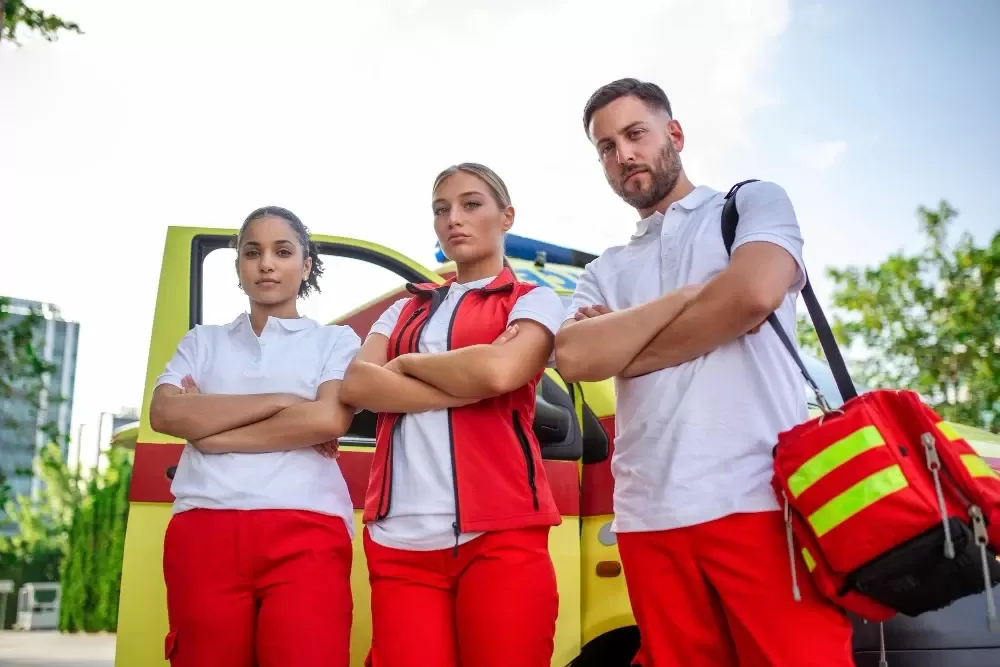
Resilience Counselling for First Responders

Why Home-Based Support Works for First Responders

Virtual counselling can reduce practical barriers while providing a private environment where first responders can focus on their wellbeing outside the workplace.

Greater Privacy

Sessions can take place from a confidential location without requiring visits to a visible clinic or treatment centre.

Flexible Scheduling

Virtual care can be easier to coordinate around rotating shifts, overtime, family responsibilities, and unpredictable work demands.

Familiar Surroundings

Speaking from a comfortable environment may make it easier to discuss difficult experiences and focus on personal goals.

Real-Life Application

Strategies discussed in sessions can be practised directly within normal routines, relationships, and home environments.

Individual Attention

One-on-one care allows treatment to focus on the experiences and concerns that matter most to each individual.

Continuity of Support

Virtual counselling can make it easier to maintain regular appointments, even when work assignments, schedules, or other responsibilities change.

Frequently Asked Questions

What issues can first responder counselling address?

Counselling can help address occupational stress, difficult or traumatic experiences, sleep concerns, anxiety, low mood, emotional fatigue, relationship strain, unhealthy coping patterns, and difficulties transitioning between work and home. The areas addressed depend on your individual experiences and goals.

Do I need to have PTSD to seek counselling?

No, you do not need a PTSD diagnosis or another diagnosed mental health condition to benefit from professional support. Counselling can also be used proactively to strengthen coping skills, manage stress, improve relationships, and support long-term resilience.

Is online counselling suitable for people who work rotating shifts?

Virtual appointments can offer greater scheduling flexibility than services requiring regular travel to a physical location. Your individual schedule and treatment needs can be discussed when arranging care.

Will I have to discuss traumatic incidents immediately?

Counselling should proceed at an appropriate pace, and you do not need to disclose every difficult experience during your first conversation. The initial focus may instead be on understanding your current concerns, establishing trust, and identifying goals for support.

Can counselling help me separate work stress from home life?

Counselling can help you identify how workplace experiences affect your thoughts, emotions, routines, and relationships outside of work. Your provider can work with you on practical strategies for transitioning after shifts, communicating with loved ones, managing stress responses, and protecting personal recovery time.