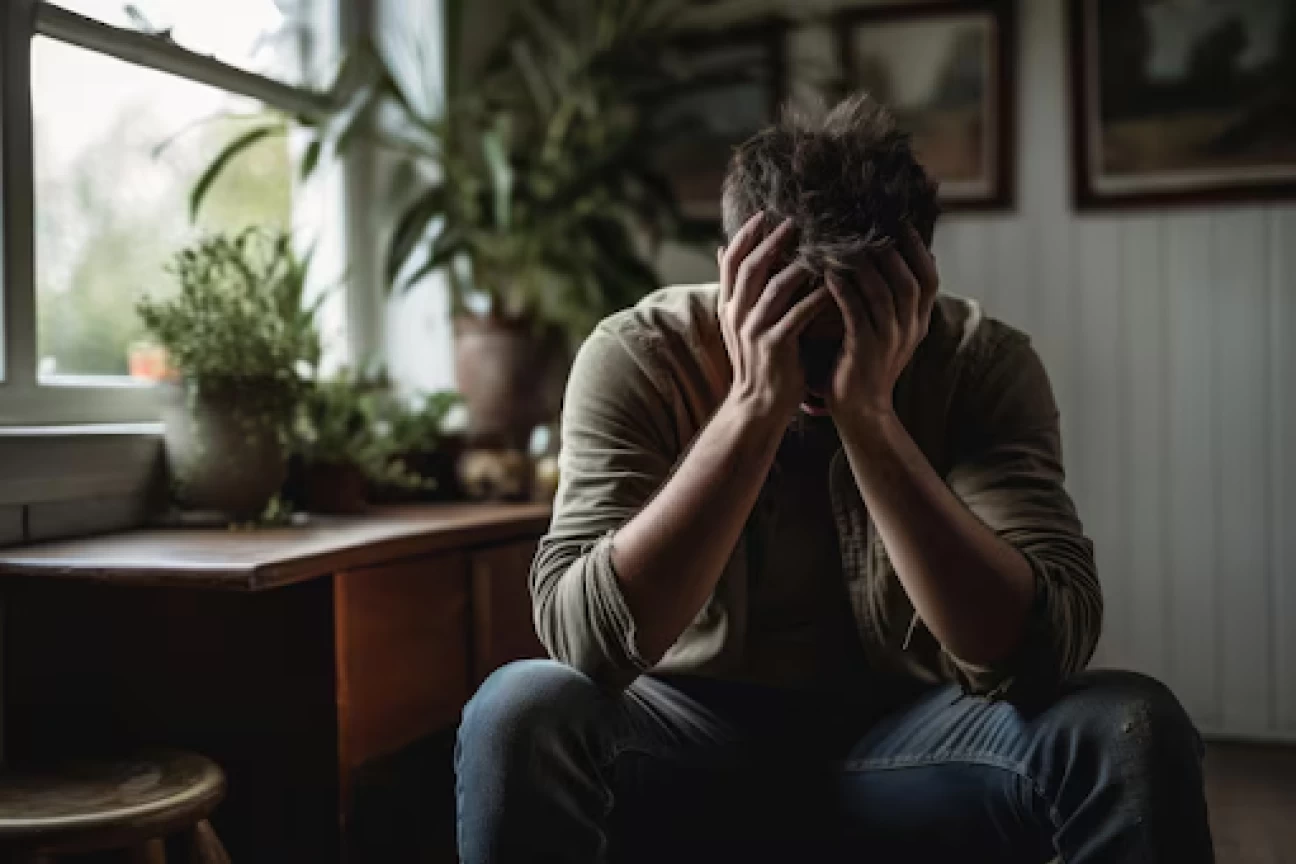
Understanding the psychological effects of alcohol is the first step toward regaining control and building healthier habits. With the right support, recovery can happen in a way that fits your daily life, even while maintaining your daily responsibilities.
Key Takeaways
Short-term relief from alcohol often leads to worsened mood and anxiety.
Regular use can harm mental health, focus, and stress management.
Dependence can develop when alcohol becomes a coping tool.
It can negatively affect behaviour, relationships, and daily functioning.
Recovery is possible with healthier habits and the right support.
What Are the Psychological Effects of Alcohol?
The psychological effects of alcohol starts by altering the chemical signals in the brain. These signals control the mood, stress, and decision-making.
Alcohol may create a sense of relaxation or confidence at first, but these effects do not last. As alcohol leaves the body, the brain chemistry can become unbalanced, often leading to anxiety and irritability.
Over time, the brain may depend on alcohol to feel normal, making it harder to handle everyday stress without it.
Alcohol Psychological Effects on Mood and Emotions
Alcohol’s effects on mood are often an early warning sign. While it may briefly ease tension, it can cause emotional instability.
Common emotional effects include:
Anxiousness after drinking
Mood swings or irritability
Lack of motivation
Difficulty managing stress
These changes can affect your daily life and relationships. Some people begin to use alcohol more often to manage these feelings, which can make the situation worse.
Psychological Effects of Alcohol Misuse
The psychological consequences of alcohol abuse become more noticeable with regular heavy drinking. When mental health is affected, daily functioning often declines.
A study on the effects of alcohol among Canadian drinkers found that higher alcohol consumption is associated with increased stress and poor mental health. This highlights the impact of alcohol on emotional regulation and overall well-being.
Depression
Alcohol is a depressant that slows brain activity. Over time, it can lead to ongoing sadness and reduced interest in activities.
Increased Anxiety
Alcohol may reduce anxiety at first, but it often returns stronger. This can create a cycle where alcohol is used to cope with anxiety that is actually worsening.
Problems with concentration and thinking
Alcohol affects memory, focus, and decision-making. This impacts work performance and everyday responsibilities.
Emotional Disconnection
Some people feel numb or detached from their emotions. This can make it harder to connect with others or enjoy daily life.
The psychological consequences of alcohol abuse often extend beyond emotions, influencing behaviour and relationships.
Behavioural Changes
Alcohol lowers inhibitions, which can lead to impulsive decisions or actions that feel out of character.
Social Withdrawal
Over time, individuals may isolate themselves or avoid situations where they feel uncomfortable without alcohol.
Relationship Strain
Mood swings and behaviour changes can create tension with family, friends, and colleagues. If you are noticing these patterns, it is important to reflect on them and consult professional support to better understand their significance.
Early awareness helps you take action and make informed choices before things worsen.
Psychological Addiction to Alcohol
A serious concern is the development of a psychological addiction to alcohol. This happens when alcohol becomes a main way to cope with stress and anxiety.
Signs may include:
Feeling the need to drink to relax
Turning to alcohol during stressful situations
Associating alcohol with comfort or reward
Experiencing strong urges to drink
This type of dependence is driven more by habits and emotional patterns than physical factors. Breaking it often requires learning new ways to cope.
The Link Between Alcohol and Mental Health
Alcohol and mental health are closely connected. Many people use alcohol to deal with stress, anxiety, or past experiences. While it may help in the moment, it can increase emotional challenges over time.
This often follows a repeating pattern:
Emotional stress
Drinking to cope
Temporary relief
Increased anxiety
Continued drinking
Breaking this cycle involves addressing both mental health and alcohol use together. This is often referred to as dual diagnosis.
How Alcohol Affects Thinking and Daily Life
Beyond emotional and mental health effects, alcohol can also impact how you think and function each day.
Common challenges include:
Poor decision-making
Difficulty concentrating
Increased risk-taking
Trouble managing responsibilities
These issues can affect confidence and create more stress, which may lead to increased alcohol use.
How to Manage the Psychological Effects of Alcohol
Managing the impact of alcohol on mental health is achievable with the right approach. The focus is on building healthier habits and creating stability.
Build Awareness
Notice patterns in your emotions and behaviour. Understanding what triggers you is the first step toward change.
Replace Alcohol with Healthy Coping Strategies
Consider alternatives that support your well-being:
Regular exercise
Mindfulness or breathing techniques
Talking with a trusted person
Create Structure
Daily routines can help reduce stress and provide a sense of stability.
Seek One-on-One Support
Working with a licensed therapist or certified recovery coach can provide personalized strategies and ongoing guidance.
Home Based Recovery provides virtual programs with individualized care, no waitlists, and consistent support from the same professional. This makes recovery more accessible and easier to sustain.
Why Home-Based Recovery Works
For many people, traditional treatment options may not be practical. Work, family, or privacy concerns can make it difficult to attend in-person programs.
Home-based recovery provides:
Flexible scheduling
Confidential care from home
One-on-one support
Ongoing aftercare
This approach allows you to receive support in a way that fits your life.
When to Seek Support
You do not have to wait until things feel overwhelming. It may be time to seek help if:
Your mood or mental health has changed
You rely on alcohol to cope
Daily responsibilities feel harder to manage
Relationships are being affected
Taking action early can make a meaningful difference.
Support That Fits Your Life
The psychological effects of alcohol can impact your emotions, thinking, and daily life. While alcohol may seem helpful at first, it can lead to deeper mental health challenges as time passes.
With the right support, you can develop healthier coping strategies and regain balance.
If you are ready to take the next step, confidential support is available. Visit the Contact Us page to book an appointment or learn more.
You can also call 250-510-9092 or email rob@homebasedrecovery.ca to speak with a licensed professional or certified recovery coach.
Start your recovery journey from home.
Frequently Asked Questions
How does alcohol affect the mind?
Alcohol slows brain activity and disrupts neurotransmitters that control thinking and emotions, making it harder to manage stress, maintain focus, and regulate mood.
What are the physiological effects of alcohol?
Alcohol acts as a depressant on the central nervous system, impairing coordination, reaction time, and brain function. Repeated use can disrupt normal body processes and negatively affect overall physical and mental health.
What are the psychological reasons for drinking alcohol?
Many people drink to cope with stress, anxiety, or emotional pain because it offers temporary relief and is often associated with relaxation, reward, and social comfort.
What part of the brain is most affected by alcohol?
Alcohol primarily affects the prefrontal cortex, which controls judgment, decision-making, and self-control, while also impacting areas responsible for memory and mood regulation.
How does alcohol impact mood and emotions?
Alcohol may initially create feelings of relaxation, but it often leads to mood swings, anxiety, and low mood as it wears off, increasing emotional instability over time.